Got it — you’d like to expand your concise technical article into a roughly 1,500?word, more detailed version while keeping its professional and informative tone. Here’s a developed draft that elaborates on each concept, introduces transitions, examples, and context while keeping a clear structure suitable for a blog or technical resource.
Not All Streaming Servers Are Built the Same
In the fast?moving world of digital broadcasting, not all streaming servers deliver the same performance or reliability. The type of infrastructure behind your live or on?demand stream can determine everything from playback quality to the stability of your entire operation. Many small broadcasters begin with shared hosting because it’s affordable and convenient. However, as their viewer base grows and their technical needs expand, the limitations of shared environments begin to show.
Understanding the differences between shared and dedicated streaming servers isn’t just a question of cost—it’s about performance, resource control, and the consistency of your viewers’ experience. A smooth stream today builds trust with your audience tomorrow, while frequent lags or buffering can drive even loyal viewers away.
Shared Hosting: Cost?Effective but Limited
Shared hosting is the entry point for most streamers. In a shared environment, multiple users or websites operate within the same physical server. Each account has access to a fraction of the total processing power, RAM, and bandwidth. Think of it like several households sharing one apartment building’s water supply and electricity: it’s efficient and inexpensive, but when too many people run taps or plug in high?demand devices at once, everyone feels the slowdown.
In streaming environments, especially those that rely on CPU?intensive tasks like real?time encoding with FFmpeg, these shared resources can become a bottleneck. For instance, when one user runs multiple high?quality transcodes simultaneously, CPU usage can spike and affect neighboring accounts. The result might be dropped frames, increased latency, or even temporary service interruptions. While providers attempt to manage these spikes with usage quotas, shared hosting simply can’t guarantee consistent performance when demand peaks.
Shared hosting’s main benefits include:
- Low monthly cost.
- Simplified setup and managed maintenance.
- Suitable for small broadcasters or occasional streaming.
But for professional use—particularly when uptime, responsiveness, and consistent bitrate delivery matter—a shared solution often falls short.
Dedicated Streaming Servers: Performance and Control
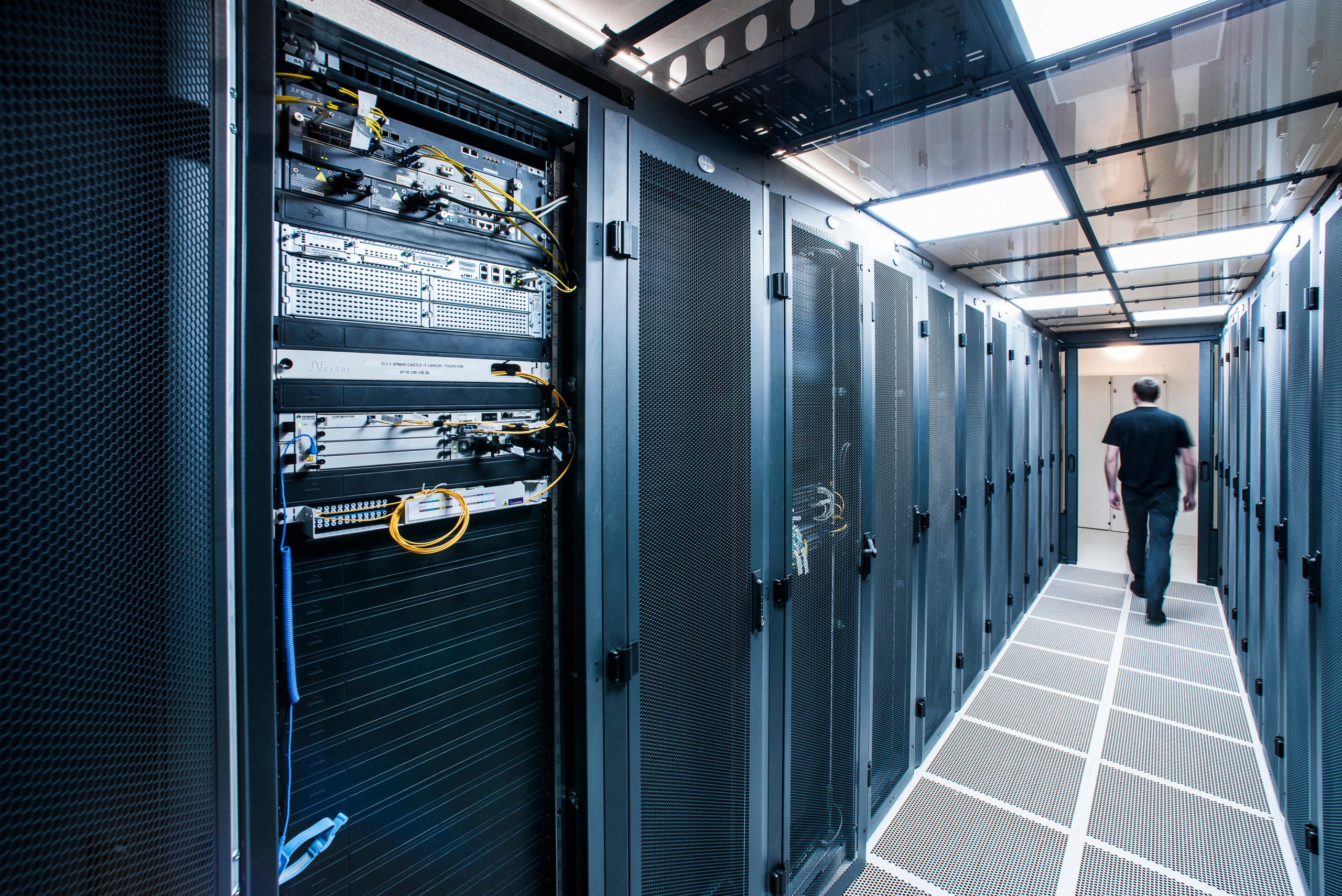
Dedicated streaming servers address these limitations by assigning all hardware resources to a single client. You’re no longer sharing CPU cycles, memory access, or network throughput with anyone else. This isolation ensures predictable performance, which is essential for broadcasters handling high traffic or continuous streaming workloads.
From a technical standpoint, the difference is profound. With dedicated systems, users gain:
- Dedicated CPU cores: These cores process encoding jobs, viewer requests, and file operations solely for your streams. No external workloads can interrupt or degrade performance.
- Guaranteed RAM: Memory allocation remains stable, which keeps buffering and transcoding pipelines responsive, even under load.
- Custom firewall rules: You can tailor port access, IP restrictions, and intrusion prevention at the system level—crucial for compliance and content protection.
- Higher concurrent connections: Because bandwidth and sockets aren’t shared, your server can handle thousands of simultaneous streams without degradation.
Dedicated servers are particularly beneficial for broadcasters running 24/7 channels—those that simulate linear television experiences online. When your channel must stay up continuously, isolation ensures that background processes or maintenance on a shared node won’t disrupt your stream.
Consider a small online TV network that plays curated music videos and interviews throughout the day. With shared hosting, a sudden spike in CPU usage caused by another tenant could make the video feed stutter or the audio desynchronize. On a dedicated server, that same network can encode multiple versions of its stream (for HD, SD, and mobile devices) while maintaining consistent output to content delivery networks (CDNs) without interruption.
Technical Shifts When Upgrading
Transitioning from shared to dedicated infrastructure involves more than a billing change—it changes how your streaming platform operates under the hood.
- Isolation at the kernel level: Your server’s operating system runs independently, allowing you to tune parameters like network buffers, process priorities, or filesystem caching.
- Root access rights: You gain administrative control, letting you install and configure software such as Nginx?RTMP, Wowza, or custom FFmpeg scripts.
- Direct networking adjustments: Dedicated IPs improve deliverability and reduce conflicts with other tenants’ configurations.
- Persistent session handling: Streams, sessions, and logs remain consistent between restarts, simplifying monitoring and debugging.
These elements together improve reliability and scalability—the two pillars of professional streaming. Once you have total control of your resources, troubleshooting becomes more straightforward. Instead of filing tickets with a shared host, you can adjust your own configuration, automate tasks, and directly measure performance.
How This Relates to TV Station Hosting
The benefits of dedicated servers become especially evident when running automated or always?on programming, such as internet TV stations. Traditional broadcasters once relied on physical playout systems to manage playlists, commercials, and live cut?ins. Today, the same functionality can be achieved virtually through platforms offering TV station hosting.
These hosting environments are tailor?made for continuous broadcasting. They integrate features like:
- Scheduled playlists and video loops.
- On?demand (VOD) playback.
- Live input switching for events or news segments.
- Automatic re?encoding and redundancy for stream continuity.
Many operators use solutions similar to Hosting Marketers’ TV Station Hosting, which combines automation tools with dedicated streaming infrastructure. Such systems allow content creators to upload video files, organize them into timed playlists, and stream them as if they were traditional television channels.
Because these workflows rely heavily on FFmpeg, a powerful open?source transcoding engine, performance consistency is paramount. FFmpeg handles a wide range of tasks—from decoding raw video, applying filters, and re?encoding it into adaptive bitrates for HLS or DASH delivery. These jobs are processor?intensive. When they operate on a shared CPU pool, they compete for cycles; when isolated, they can execute predictably and efficiently.
The Role of FFmpeg in Modern Broadcasting
To better understand the performance gap, it’s helpful to look at what FFmpeg actually does. When you transcode a video, say from 1080p 60fps to 720p 30fps, FFmpeg decompresses each frame, possibly applies resizing or watermark filters, and recompresses it into the target format. This process consumes CPU and memory proportionally to the source bitrate and resolution.
When FFmpeg has full, unrestricted access to your server’s CPU cores, it can utilize multi?threaded processing to accelerate conversions. Real?time encoding—necessary for live streaming—also depends on steady and sustained CPU performance. Any hiccup or throttling can disrupt the stream entirely.
For a deeper technical understanding of how encoding preparation works before deploying servers, FFmpegPlease.com offers useful resources. It covers best practices for preparing video pipelines, selecting codecs, and optimizing commands for efficiency.
Understanding Streaming Protocols
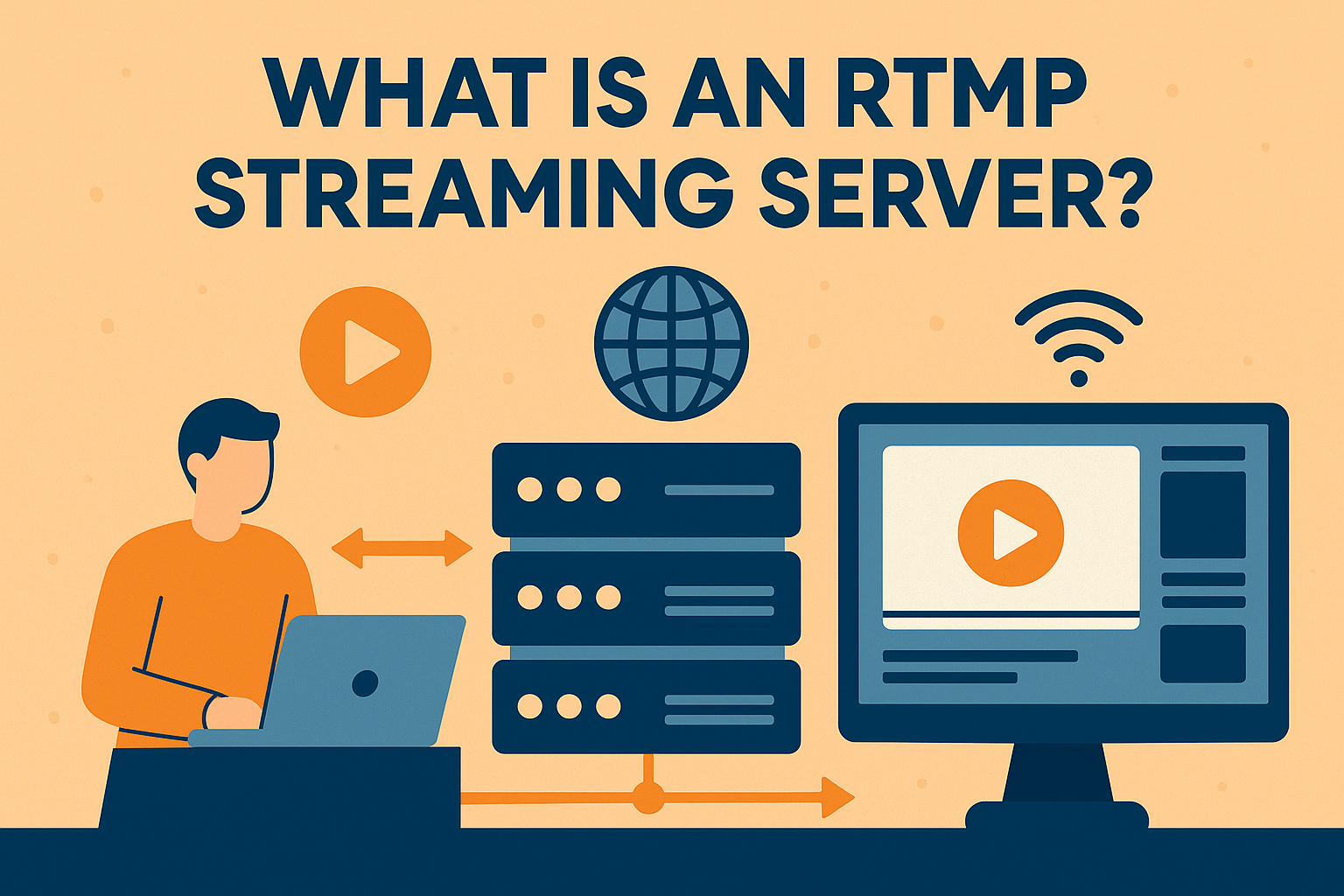
Delivering video to viewers requires more than just transcoding files—it also involves moving the stream efficiently across networks. The Real?Time Messaging Protocol (RTMP) remains one of the most common protocols for ingesting live video into servers. Originally developed by Macromedia (and later maintained by Adobe), RTMP is designed for low?latency communication between encoders and servers.
If you’d like to dive deeper into the history and technical design of RTMP, the Wikipedia article on Real?Time Messaging Protocol is an excellent reference. It details how RTMP divides audio, video, and data streams into packets, maintaining smooth delivery even under fluctuating network conditions.
Today, RTMP is often paired with HTTP Live Streaming (HLS) or Dynamic Adaptive Streaming over HTTP (MPEG?DASH). In this hybrid setup, RTMP handles the upstream (the feed from broadcaster to server), while HLS or DASH manage downstream delivery to viewers via segmented playlists. Dedicated servers ensure both directions run reliably without competition from other tenants’ network traffic.
When to Upgrade to a Dedicated Server
So when does it make sense to move from shared to dedicated hosting? The answer depends on scale, uptime requirements, and monetization strategy. Below are some clear indicators that it’s time to upgrade:
- Concurrent viewers exceed 1,000: Streaming to large audiences generates significant concurrent connections. Shared servers rarely have the bandwidth allocation to handle these peaks smoothly.
- You stream continuously (24/7 broadcasting): Constant uptime leaves no room for shared resource fluctuations.
- You monetize streams through ads or subscriptions: Revenue depends on uninterrupted playback. Buffering or outages can lead directly to financial loss.
- You need administrative control: Root access enables installation of software, custom security rules, and in?depth monitoring.
- You manage multiple channels or formats: Multi?bitrate and multi?language output demands extra processing power best served by isolated hardware.
Broadcasters who meet even one or two of these conditions typically experience noticeable performance benefits after upgrading. Dedicated servers also simplify scaling—once you’re isolated, adding extra CPU cores or migrating to more powerful hardware is straightforward.
Removing Bottlenecks and Preparing for Growth
The ultimate value of dedicated streaming servers lies in their ability to remove bottlenecks. Shared hosting introduces hidden constraints: CPU throttling, bandwidth shaping, and queued I/O processes. These restrictions are invisible until your project scales.
With dedicated environments, every resource allocation serves your workload exclusively. This provides headroom for spikes, such as sudden viewer surges during live events. It also helps maintain encoding stability when running multiple FFmpeg sessions, automated backups, or analytics software simultaneously.
From a business perspective, the cost difference between shared and dedicated hosting is justified by the performance gain and predictability. Instead of paying less upfront and losing viewers to technical failures, dedicated infrastructure secures your reputation as a reliable broadcaster. The gap in monthly cost often pales beside the value of uninterrupted service and viewer retention.
Final Thoughts
As online broadcasting evolves, audience expectations continue to rise. Viewers demand instant playback, crisp visuals, and 24/7 reliability—all of which rely on stable server infrastructures. Shared hosting provides an affordable start, but the consistent quality and control offered by dedicated servers make them the natural next step for serious streamers and digital TV operators.
Investing in dedicated servers means investing in stability, scalability, and long?term credibility. Whether you’re hosting live sports, music channels, news networks, or educational programming, the technical foundation you choose will define how smoothly your operation grows. In the world of streaming, where every frame counts, having full control over your server isn’t a luxury—it’s a necessity.